
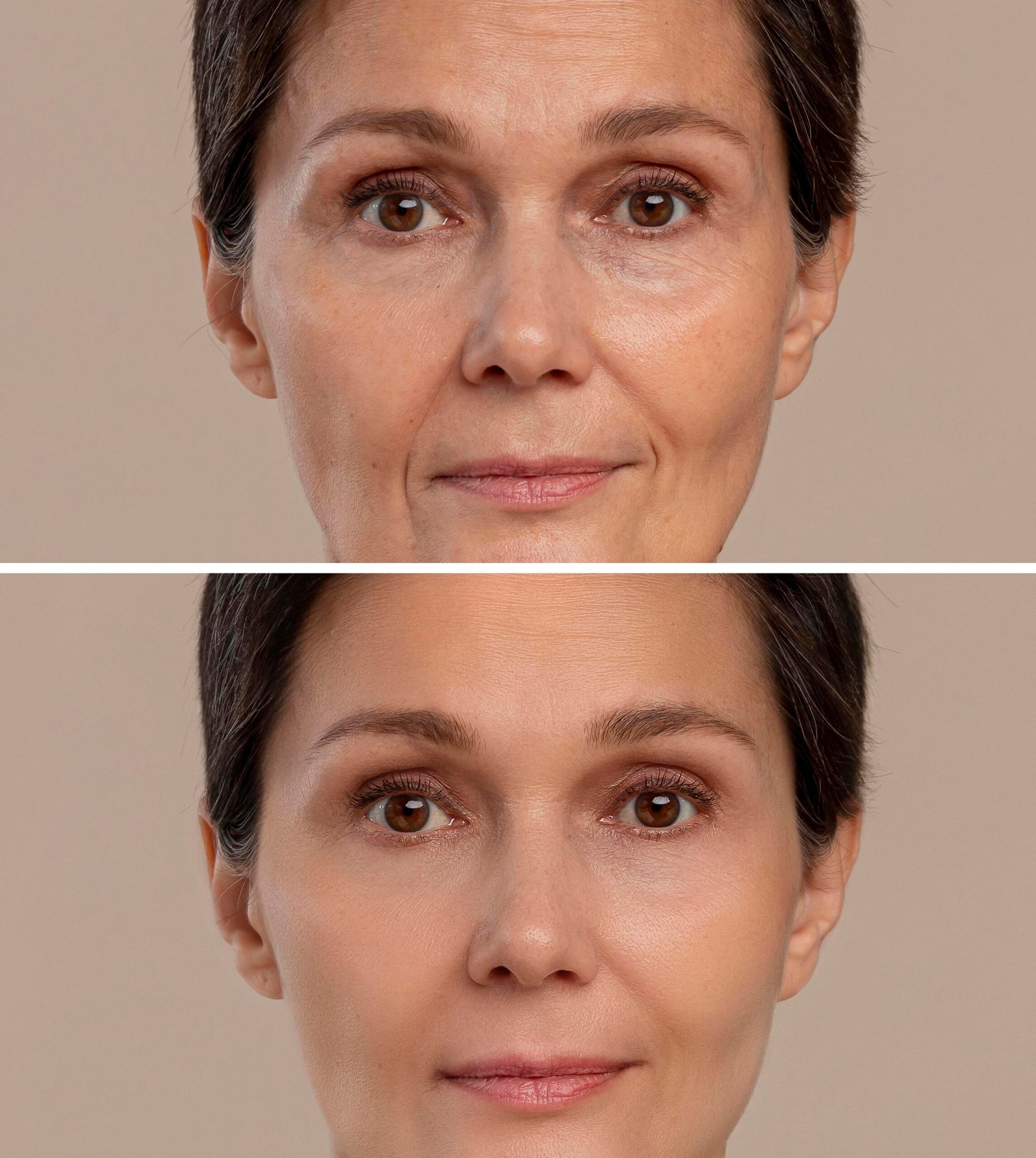
Facial aging does not happen in one area alone. It affects different zones of the face at different times, which is why facelift procedures are no longer one size fits all. Two commonly discussed options are the lower face lift and the mid face lift. While both aim to restore a youthful appearance, they target different areas and concerns. Understanding the difference between the two helps you choose the procedure that best suits your facial structure and aging pattern.
What Is a Mid Face Lift
A mid face lift focuses on the central part of the face. This includes the cheeks, the area under the eyes and the region around the nose. As we age, the fat pads in the cheeks begin to descend, leading to hollow under eyes, flat cheeks and deeper nasolabial folds. A mid face lift repositions these tissues upward, restoring natural cheek volume and smooth transitions between the eyes and cheeks.
This procedure is ideal for people who notice early signs of aging in the middle of the face but do not yet have heavy sagging in the jawline or neck. It creates a refreshed and rested appearance rather than a dramatic change. The lift improves facial balance and softens tired looking features while maintaining natural expressions.
What Is a Lower Face Lift
A lower face lift addresses aging in the lower third of the face. This includes the jawline, jowls, corners of the mouth and often the upper neck. Over time, skin laxity and gravity cause the jawline to lose definition, leading to sagging jowls and a heavier lower face.
A lower face lift tightens deeper tissues and removes excess skin to create a sharper jawline and smoother lower facial contour. It is especially effective for people who feel their face looks heavy or droopy around the mouth and jaw despite having decent cheek volume. The results are more noticeable and longer lasting compared to non surgical treatments in this area.
Key Differences Between Mid Face and Lower Face Lift
The biggest difference lies in the area treated. A mid face lift improves cheek position and under eye support, while a lower face lift focuses on jawline definition and sagging around the mouth. Mid face lifts are often chosen by younger patients or those with early aging, whereas lower face lifts are preferred when jowls and skin laxity become more prominent.
Recovery also differs slightly. A mid face lift usually involves less swelling and quicker recovery, while a lower face lift may take longer due to deeper tissue work. Both procedures are designed to look natural when performed by an experienced surgeon.
Can These Procedures Be Combined
Yes, many patients benefit from combining a mid face lift and lower face lift. Aging rarely affects just one zone, and treating multiple areas together creates better facial harmony. A combined approach can restore youthful proportions from the cheeks down to the jawline in a single surgery. Your surgeon will recommend this only if it suits your facial anatomy and goals.
How to Choose the Right Option
Choosing between a mid face lift and a lower face lift depends on where you see the most change in your face. If your main concern is flat cheeks, deep smile lines and tired eyes, a mid face lift may be enough. If sagging jawlines, jowls and a loss of facial definition bother you more, a lower face lift is likely the better choice.
A detailed consultation is essential. A skilled plastic surgeon will assess skin quality, facial volume and bone structure before recommending the most suitable approach. Honest guidance ensures you get results that look refreshed rather than overdone.
Final Thoughts
Both mid face and lower face lifts play an important role in facial rejuvenation. They are not competing procedures but targeted solutions for different stages of aging. When chosen correctly and performed with precision, either option can restore balance, youthfulness and confidence while keeping your facial expressions natural and authentic.